Enhance Your Skills: Crucial Advice for Trailer Stability


Leveling a mobile home is a crucial task that frequently gets ignored by property owners. A well-leveled mobile home not just enhances its stability but additionally ensures comfort and security for its occupants. If you have seen sticky doors, uneven floors, or window gaps, these could be signs that your home is not level. Understanding how to resolve these issues can save you stress, time, and expenses in the end.
In this detailed guide, we will explore the details of aligning your mobile home. From spotting the obvious indicators of an uneven home to the necessary tools required for the task, you’ll find practical, detailed instructions to return stability to your dwelling. Whether you're a experienced DIY fan or a new homeowner, you’ll get all the insights you need to handle this crucial task with assurance. Participate as we dive into the realm of mobile home leveling and understand how to give your home the level footing it warrants.
Grasping Manufactured Home Leveling
Balancing a mobile home is vital for ensuring its structural integrity and ensuring a stable habitat. Over time, various issues such as earth movement, weather changes, and shrinkage can cause a manufactured home to become out of balance. This can lead to a variety of issues, including tilted flooring, imbalance doors, and faulty plumbing. Acknowledging installing skirting on a mobile home of appropriate balancing can protect homeowners from extensive restorations and extend the durability of their dwellings.
To identify if your manufactured home needs leveling, be alert for clues such as gaps between the walls and ground, uneven devices, or misaligned doors and windows. Regular checks are a forward-thinking approach, allowing you to identify potential problems early. Ignoring these indicators can lead to more serious complications, such as damage to the base or load-bearing elements. A quick inspection with a measuring tool can establish whether your manufactured home is level.
The adjustment procedure itself may seem daunting, but it can be addressed by motivated homeowners with the appropriate tools and knowledge. The core of mobile home leveling primarily involves repositioning supports, support tools, and shims to achieve balance. Each home may require varied techniques based on its specific design and the type of ground it is located on. Familiarizing yourself with the principles, tools, and techniques will enable you to take charge of your manufactured home's balancing necessities successfully.
Crucial Equipment and Techniques
To effectively stabilize your mobile home, possessing the appropriate tools is essential. At the very, you will need a level, a jack (preferably hydraulic for better control), and wedges made from wood or synthetic materials. How to level a mobile home measuring tape is also essential for verifying distances are precise, while a try square can help you determine if your home is placed horizontally. These essential tools will assist significantly in the leveling process and help you attain a secure foundation.
In addition to the essential tools, consider using a liquid level or laser measuring tool for greater precision. These techniques can help you evaluate the level of your mobile home across longer distances, providing an accurate reading that might be challenging to attain with standard levels. Using these sophisticated tools can save you time and increase the effectiveness of your leveling efforts, allowing for a much straightforward and successful process.
Understanding and utilizing proper procedures during the leveling process is equally important as owning the appropriate tools. Start by measuring the current height of your mobile home at various points to assess the extent of irregularity. Next, use the hydraulic jack to elevate the home gently, placing shims as needed to fill any spaces. Regularly confirm your work with the bubble level to ensure you are advancing in the correct direction. This methodical approach will lead to a safe and sound mobile home.
Common Issues and Resolutions
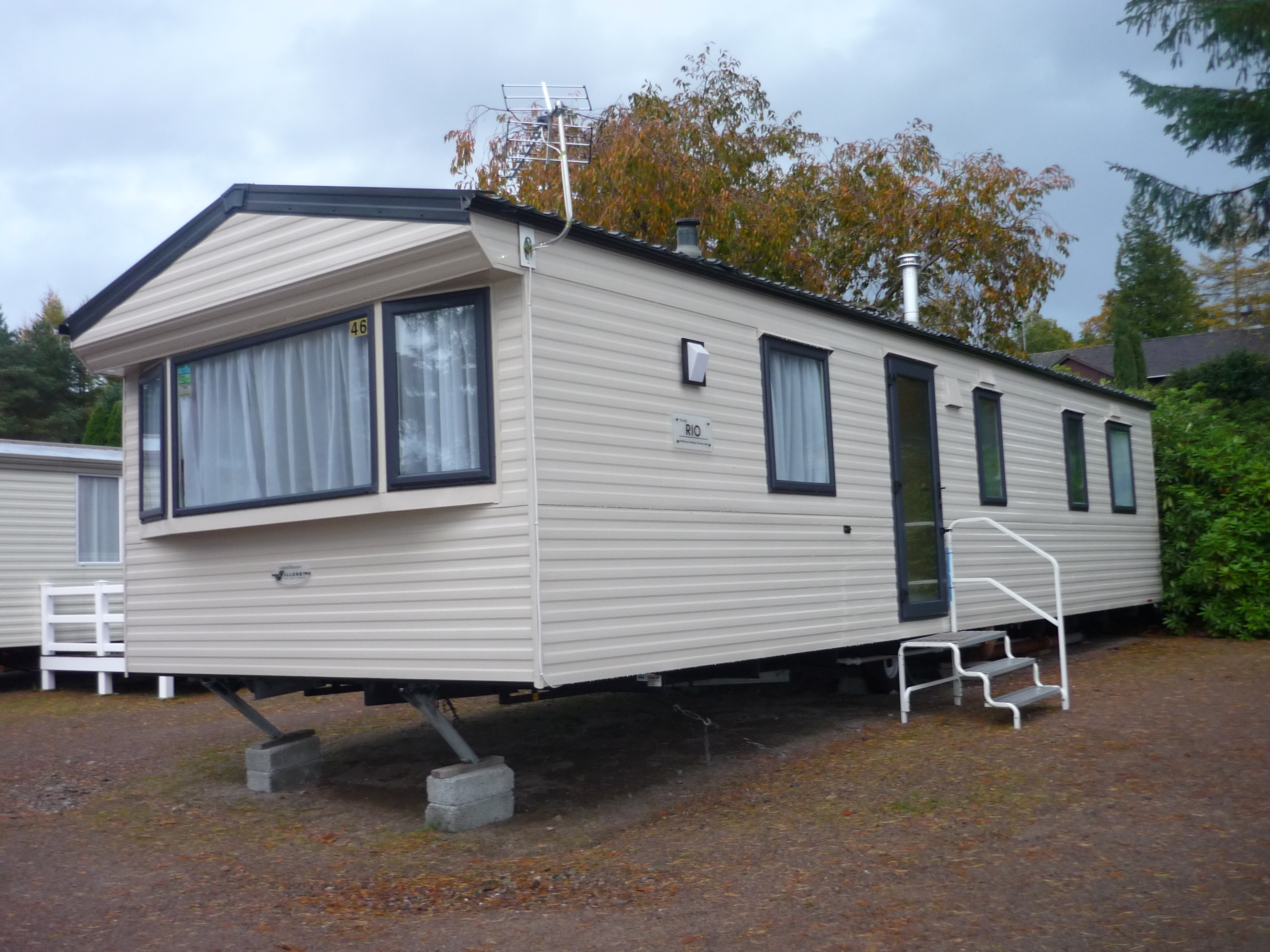
One frequent issue homeowners encounter when leveling their mobile home is encountering uneven floors. This can lead to problems such as doors that stick or windows that crack. To solve this, start by inspecting for the correct shims and adjusting them under the home’s frame. If necessary, use a level to determine how much adjustment is needed to regain balance, and make incremental adjustments until the floors are even.
Another challenge is figuring out the correct amount of support needed for specific areas of the home. Homeowners often neglect checking soil conditions under the home, which can shift over time due to moisture or freeze-thaw cycles. To address this, think about using piers or additional blocks in areas where the soil is more unstable. Regularly assessing the condition of the soil and bolstering support in these areas will help maintain sustained stability.
Lastly, many people struggle with the safety aspects of the leveling process. Improper use of jacks can lead to accidents or damage to the home. To reduce this danger, always use a reliable jack meant for mobile homes, and ensure the home is securely supported before making any adjustments. Follow all safety guidelines by wearing appropriate gear and working with a partner if needed to ensure a safe and effective leveling experience.
Lonestar Mobile Home Leveling & Skirting
276 County Rd 1700
Clifton, TX 76634
(254)266-5369